Cellulose Insulation for Homes
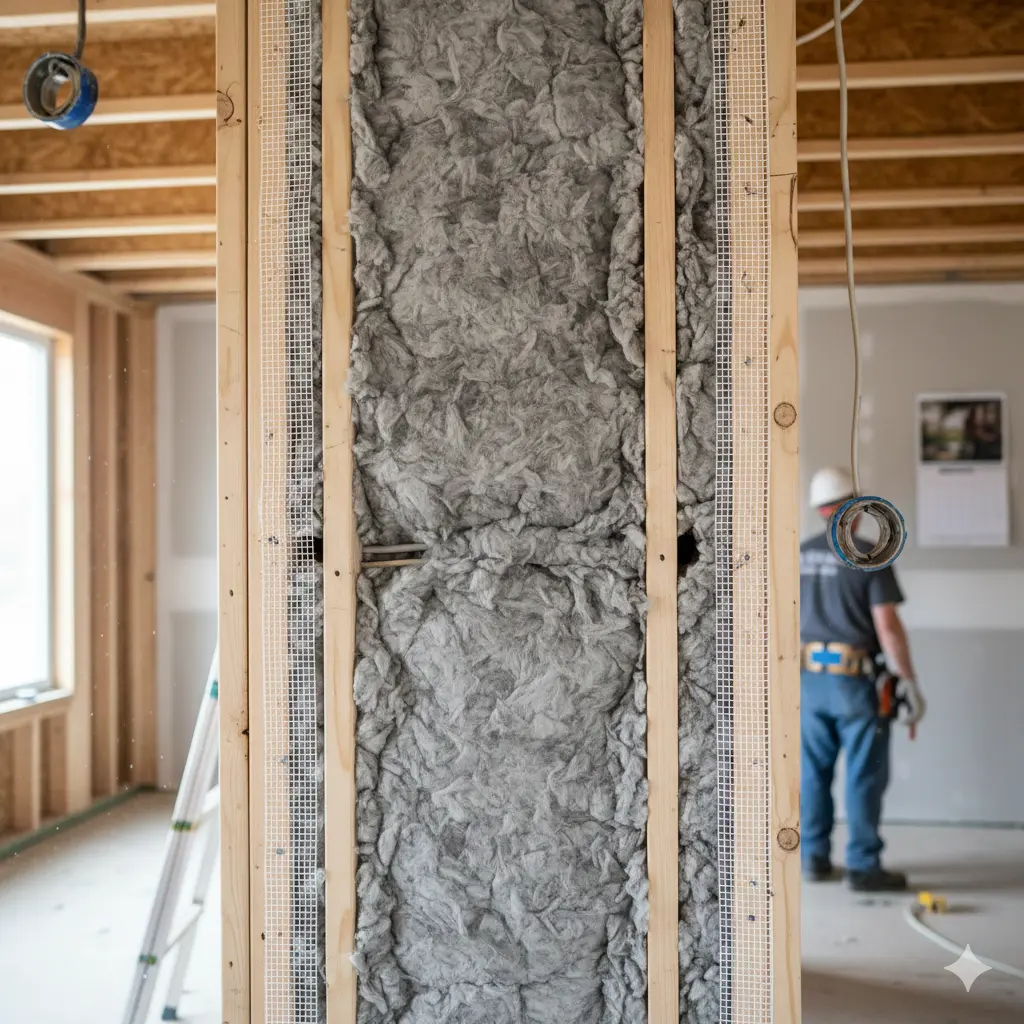
Cellulose insulation is a type of building insulation made from recycled paper products, primarily newspaper, which is treated with fire retardants such as boric acid to improve its safety.
It is an eco-friendly option known for its ability to provide energy efficiency and reduce a home’s environmental footprint.
Pros
Cellulose insulation stands out for its eco-friendliness, being composed of 80-85% recycled materials like newspapers, which helps divert waste from landfills and promotes sustainability. It delivers effective thermal insulation with an R-value of 3.2-3.8 per inch, outperforming many alternatives in reducing heat transfer and air infiltration for consistent indoor comfort. Often treated with boric acid, it provides natural pest resistance against insects like termites and rodents, adding long-term durability. Its dense structure also offers superior soundproofing, absorbing noise better than lighter materials like fiberglass, making it ideal for homes in noisy environments. Additionally, fire retardants enhance safety by achieving a Class 1 fire rating under ASTM E84 standards, slowing flame spread and increasing evacuation time during emergencies.
Cons
While cellulose insulation has many advantages, it’s important to consider potential drawbacks during planning. Installation can produce dust, which may irritate respiratory systems, though using professional installers with proper ventilation and masks minimizes this. Its moisture sensitivity means it can absorb water—up to 130% of its weight—if not installed with vapor barriers in humid areas, potentially leading to mold; however, dry-blown or stabilized methods reduce risks. Settling over time, typically by 10-20%, can slightly diminish R-value, but dense-pack applications maintain 90% effectiveness for decades. Finally, certain fire retardants like ammonium sulfate may cause corrosion in metals such as pipes or fasteners if exposed to prolonged moisture, but borate-based alternatives avoid this issue entirely when applied correctly.
Benefits
Choosing cellulose insulation brings tangible benefits, starting with energy savings that lower utility bills by up to 20-30% through superior air sealing and thermal resistance, helping maintain stable indoor temperatures year-round. Its sustainability shines through the use of recycled materials, with each ton diverting equivalent paper waste and featuring lower embodied energy (0.5-1.5 MJ/kg) compared to synthetic options, supporting greener building practices. Moreover, it improves indoor air quality by minimizing drafts and blocking airborne pollutants, creating a healthier living space, especially in climates prone to allergens or humidity.
Add-Ons or Enhancements
- Insect Repellent Additives: Additional treatments to deter insects.
- Mold Prevention: Extra chemical treatments to prevent mold growth.
- Fire Retardant Enhancements: Additional fire-retardant chemicals for higher safety standards.
Installation Types
- Loose-Fill: Blown into walls or attics using special machinery.
- Wet-Spray: Sprayed into open cavities, then allowed to dry and settle.
- Dense-Pack: Packed tightly into cavities for minimal air gaps and maximum efficiency.
Costs
The cost of materials for cellulose insulation typically ranges anywhere from $.050 – $1.50 per square foot.
The cost of installation generally ranges anywhere from $1.00 – $2.00 per square foot.
DIY options are available which can lower costs but require specific equipment for installation. Prices may also vary depending on location and the type of cellulose insulation chosen.
Maintenance
Cellulose insulation does not require much maintenance, but it is important to periodically check for any settling or moisture issues.
Any gaps or voids should be filled in to maintain its effectiveness. Additionally, regular inspections by a professional can help identify any potential problems.
History
Cellulose insulation has been in use since the 1950s and saw a significant increase in popularity during the 1970s oil crisis due to its energy-efficient properties. It has since evolved with advancements in fire retardants and installation techniques.
Controversies and Warnings
- Fire Safety Concerns: Despite added fire retardants, there were historical concerns about flammability.
- Health Risks: Potential risks if inhaled during installation.
- Corrosion: Improper treatment can lead to corrosion of metals.
Conclusion
Cellulose insulation offers many benefits for homeowners looking for an eco-friendly and efficient option for their homes. While it may have some drawbacks, proper installation and maintenance can ensure its effectiveness and longevity.
With additional add-ons and enhancements available, it is a versatile choice that can cater to individual needs and preferences while providing energy savings and contributing to sustainable living.