What types of insulation rebates and incentives are available?
Insulation incentives may include utility rebates, state or local energy-efficiency programs, federal tax credits, low-income assistance programs, and whole-home upgrade incentives. Available programs vary by location, household income, utility provider, property type, and the improvements being completed.
How do I find insulation rebates available in my area?
Start by searching for programs available in your state and checking with your electric or natural gas utility provider. Some rebates are offered statewide, while others are limited to specific cities, counties, utility service areas, or income-qualified households.
What insulation improvements may qualify for a rebate?
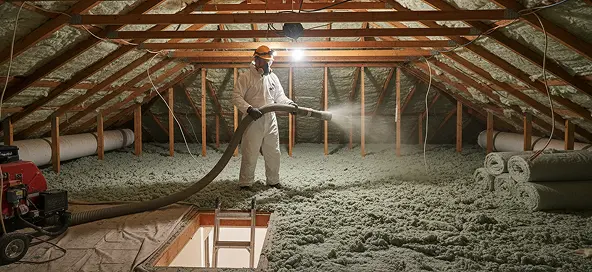
Eligible improvements may include attic insulation, wall insulation, floor or basement insulation, crawl space insulation, air sealing, and whole-home energy-efficiency upgrades. Each program has its own requirements, so not every insulation material or installation area will qualify.
Do I need an energy audit before installing insulation?
Some programs require a home energy assessment or audit before work begins. The assessment may identify where insulation and air sealing are needed and help determine which improvements qualify. Other programs allow homeowners to apply without completing an audit.
Do I need to use an approved insulation contractor?
Many rebate programs require work to be completed by a licensed, participating, or program-approved contractor. Hiring a contractor before confirming the program requirements could affect your eligibility, so review the rules before scheduling installation.
Can I apply for a rebate after the insulation has already been installed?
Some programs accept applications after installation, but others require preapproval, an energy audit, or a reservation before work begins. Always confirm the application process before purchasing materials or signing a contractor agreement.
Can insulation rebates be combined with tax credits or other incentives?
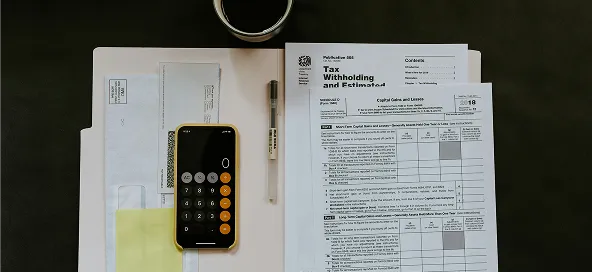
In some cases, homeowners may be able to combine utility rebates, state incentives, financing programs, and federal tax credits. However, stacking rules vary, and certain incentives may reduce the project cost used to calculate another credit. Review the requirements for each program or speak with a qualified tax professional.
Are insulation incentives available for renters or landlords?
Some programs are available to rental property owners, landlords, multifamily buildings, or renters with the property owner’s permission. Eligibility may depend on who pays the utility bill, the type of property, and whether the program is designed for homeowners or income-qualified residents.
Are there income requirements for insulation rebates?
Not all insulation rebates have income requirements. Standard utility rebates may be available regardless of household income, while enhanced rebates and weatherization programs often use income limits to determine eligibility or incentive amounts.
What documents may be required when applying?
Programs may request proof of purchase, contractor invoices, product specifications, before-and-after photos, proof of residency, utility account information, income documentation, energy audit results, or contractor certification. Keeping detailed project records can make the application process easier.
How long does it take to receive an insulation rebate?
Processing times vary by program and may range from several weeks to a few months. Applications that are incomplete or missing documentation may take longer. Some incentives are applied directly to the project cost, while others are issued after the work has been completed and approved.
Do DIY insulation projects qualify for rebates?
Some programs allow homeowners to install insulation themselves, but many require professional installation or participation by an approved contractor. DIY projects may also need to meet specific product, documentation, and installation requirements.